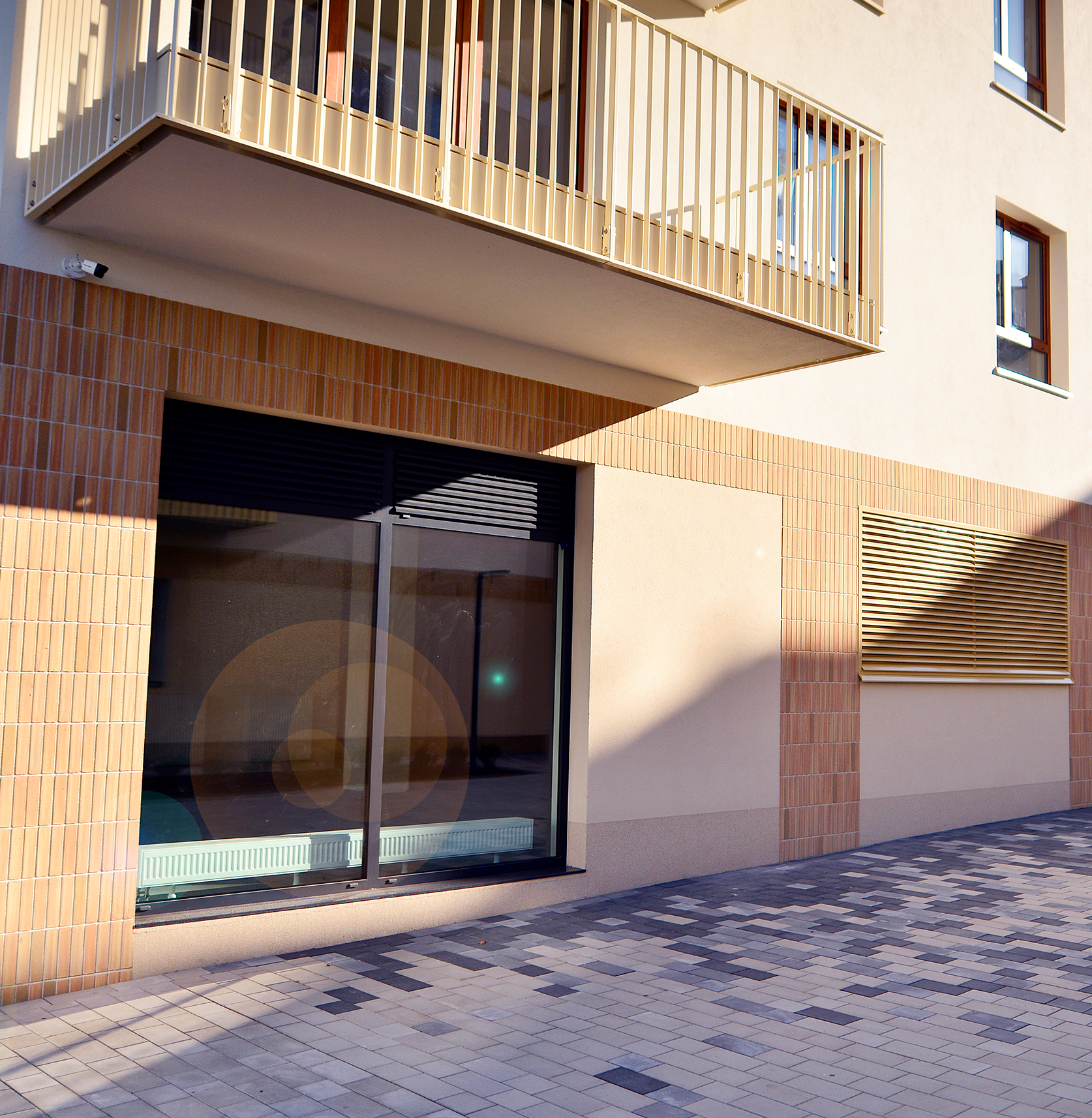
The real estate market in Spain represents an exceptional opportunity for international investors. However, the excitement of acquiring a frontline villa on the Mediterranean or a luxury apartment in Madrid can quickly fall apart due to local administrative complexities. Many foreign buyers mistakenly assume that just because a property is completely built and aesthetically flawless, it is legally fit to be lived in.
To avoid fraud that could jeopardize your assets, there are two administrative control documents that act as mandatory safeguards for legal certainty: the First Occupancy License (Licencia de Primera Ocupación – LPO) and the Habitability Certificate (Cédula de Habitabilidad). Failing to verify the validity of these titles before signing any contract can turn a strategic asset into a major legal and financial nightmare.
First Occupancy License and Habitability Certificate: Differences
It is very common for international investors to confuse these two terms, as their practical functions overlap. However, their legal nature and the authorities that issue them are entirely different:
First Occupancy License (LPO)
This document is issued by the local Town Hall (Ayuntamiento) where the property is located. A municipal technician physically inspects the property to verify that the construction strictly aligns with the authorized architectural project and complies with the Spanish Technical Building Code (Código Técnico de la Edificación – CTE). It is indispensable for the first sale of a new build or after major structural renovations.
Habitability Certificate (Cédula de Habitabilidad)
This is a regional authorization issued by the corresponding Autonomous Community government. This certificate officially proves that the property meets the minimum habitability conditions regarding health and technical safety standards (such as minimum ceiling height, net internal floor area, hygiene, and adequate natural ventilation). It is required for both new build properties and resale (second-hand) transactions.
| Criterion | First Occupancy License (LPO) | Habitability Certificate |
|---|---|---|
| Issuing Authority | Town Hall / Municipality (Local Level). | Autonomous Community (Regional Level). |
| Regulatory Focus | Compliance with the building permit and local urban planning. | Hygiene, minimum dimensions, and basic human comfort/safety. |
| Primary Application | New build constructions or comprehensive structural renovations. | Both new builds and resale properties (expires every 10–15 years). |
Buying a House Without a Habitability Certificate: Critical Consequences
Acquiring a property that lacks these valid administrative documents triggers a chain of severe risks that instantly slash the market value of the real estate asset:
Imposibility of Connecting Basic Utilities
This is the most immediate and costly practical consequence. Utility providers for water, electricity, and gas are legally required to demand a certified electrical installation bulletin (Boletín de enganche – CIE) alongside a valid LPO or habitability certificate. Attempting to set up electricity utilities without a habitability certificate is completely blocked under current regulations. The investor will be left with an unhabitable property stuck in the dark.
Mortgage Loan Refusal
If the acquisition relies on Spanish banking finance, credit institutions will freeze the transaction immediately. Registered appraisal companies drastically devalue properties lacking valid licenses or, alternatively, issue conditional valuations. No bank will take on the risk of granting a mortgage on a property that does not legally qualify as residential housing.
The Threat of “Outside of Planning Regulations” Properties (Fuera de Ordenación)
Many rural properties or villas built irregularly along coastal areas enter a passive legal status known as fuera de ordenación (outside of planning rules). While town halls may allow the building to stand if the statute of limitations on the infraction has expired, they will never grant an Occupancy License. This completely prevents the property from obtaining a legal holiday rental license and leaves it vulnerable to future urban zoning discipline files.
Can You Deed a Property Without a Habitability Certificate in Spain?
From a strictly legal standpoint, the short answer is yes, but with severe restrictions and at your own risk. Spanish law allows parties in certain autonomous communities to mutually agree to waive the seller’s obligation to present the certificate at the exact moment of signing the public title deeds before a Notary (for instance, if the buyer declares that the property will undergo a comprehensive renovation).
The real issue is that the Notary will explicitly state in the deed that the buyer accepts the technical risks. If, after completion, the Town Hall denies the license because the property does not meet the minimum statutory floor area (superficie útil) or lacks mandatory mechanical ventilation (ventilación forzada), the international buyer will have purchased a commercial unit disguised as a residential home at premium prices—losing the legal protection for error in consent or bad faith against the seller.
The Critical Importance of Pre-Purchase Legal Due Diligence
To mitigate these risks, standard international practice dictates carrying out a comprehensive legal audit or real estate Due Diligence prior to making any down payments, reservation deposits, or signing a deposit agreement (contrato de arras). Our team of legal experts carries out the following preventative verifications:
- Direct consultation via the local town hall’s electronic portal (sede electrónica) to verify that there are no active urban planning enforcement proceedings or open files against the property.
- Meticulous review of the Nota Simple from the Land Registry to cross-reference registered descriptions with the physical and cadastral reality of the house.
- Verification of the validity of existing licenses, and in the case of administrative delays, invoking mechanisms of approval via positive administrative silence (silencio administrativo) when legally applicable.
Safeguard Your Investment in Spain with Corelex Global
Do not take unnecessary chances in the Spanish property market. At Corelex Global, we act as your independent legal and technical allies on the ground. We coordinate the verification of the First Occupancy License and Habitability Certificate for your future property entirely remotely, ensuring your investment complies 100% with the Technical Building Code and local zoning laws without you ever needing to travel.