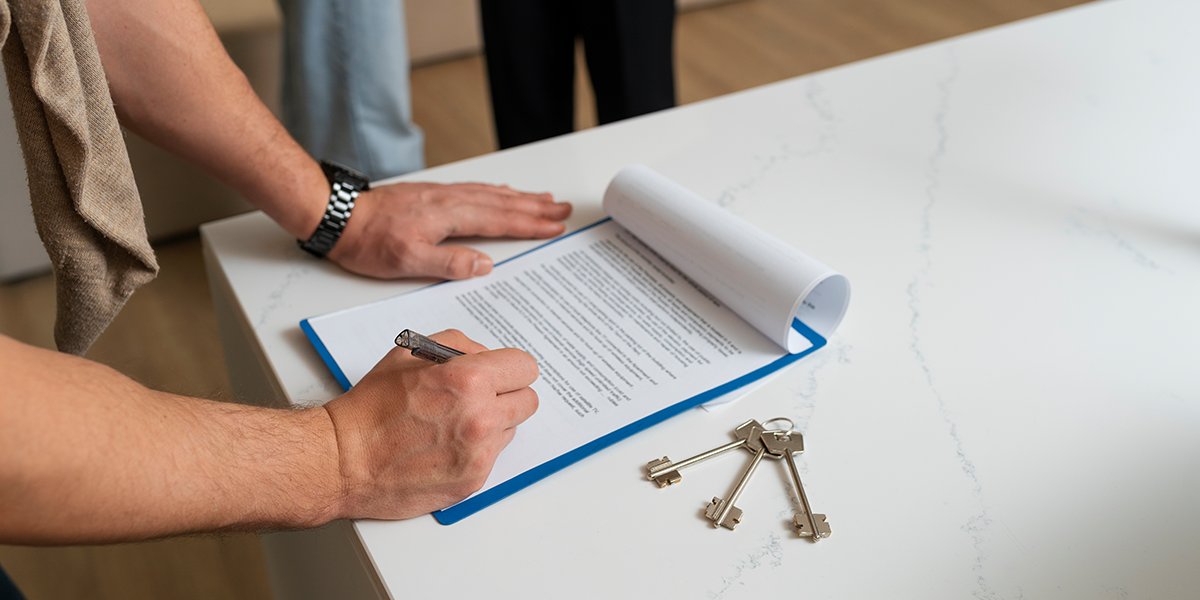
Buying property in Spain can be a secure and highly rewarding investment, but the legal considerations for buying property in Spain are complex and often very different from those in other countries. Understanding the legal process of buying property in Spain, the required documentation, applicable taxes, and the potential legal risks is essential for any buyer.
This is especially important for foreigners and non-resident investors, who must navigate Spanish property law, local regulations, and administrative requirements to ensure a safe and legally sound transaction.
Info
ToggleUnderstanding the Spanish Property Legal System Before Buying a Property
The Spanish property legal system provides the framework that governs how real estate transactions are carried out, how ownership is transferred, and what legal obligations both buyers and sellers must fulfill. Gaining a clear understanding of this system is one of the most important legal considerations for buying property in Spain, particularly for foreign buyers who may be unfamiliar with local regulations, procedures, and documentation requirements. This section explains the fundamental principles of Spanish property law and who is legally entitled to purchase property in Spain.
How Spanish Property Law Works
The Spanish property legal system is based on a well-defined framework that governs property ownership, transfer of rights, and the registration of real estate. Spanish property law establishes how ownership is acquired, the legal requirements for property transactions, and the obligations of both buyers and sellers. Understanding these fundamental principles is essential to navigate the legal process of buying property in Spain safely and with full legal certainty. For international investors, partnering with experts like Corelex Global, specialized in Spanish real estate law, ensures that every step of the transaction is legally sound and tailored to your needs.
Who Can Buy Property in Spain?
Spanish law allows both residents and non-residents, including foreign buyers, to purchase property in Spain with the same ownership rights as Spanish citizens. There are no legal restrictions on foreigners buying property in Spain; however, non-resident buyers must comply with specific legal requirements, including obtaining a NIE number and fulfilling tax and reporting obligations. These legal considerations are particularly important for international investors seeking to purchase real estate in Spain securely. Corelex Global provides personalized guidance for foreign buyers, helping navigate these requirements efficiently and protecting your investment throughout the entire process.
The Legal Process of Buying Property in Spain
Buying property in Spain involves a clearly defined legal process that ensures ownership is transferred safely and in compliance with Spanish law. Understanding each stage—from obtaining a NIE number to registering the property at the Land Registry—is a critical legal consideration for buying property in Spain, particularly for foreigners. This section provides a step-by-step guide to the legal procedures, documentation, and professional advice needed to complete a property purchase securely and efficiently.
Obtaining a NIE Number
The NIE is a mandatory tax identification number required for all foreign buyers involved in a property transaction in Spain. Without a NIE, it is legally impossible to purchase property, open a Spanish bank account, pay taxes, or sign the title deed. Obtaining the NIE is therefore the first essential legal step in the Spanish property buying process.
Legal Due Diligence and Property Checks
One of the most important legal considerations for buying property in Spain is conducting thorough legal due diligence. This process includes verifying the seller’s legal ownership through the Land Registry, confirming that the property is free from debts, mortgages, liens, or charges, and ensuring that all urban planning permissions and building licenses are in place. Proper due diligence protects the buyer from hidden legal risks and future liabilities.
Reservation Agreement and Deposit Contract
Once the property has passed the legal checks, the buyer typically signs a reservation agreement followed by a private deposit contract. These preliminary contracts outline the terms of the purchase, the agreed price, and the completion timeline. They also establish the legal consequences if either party fails to complete the transaction, making careful legal review essential before signing.
Signing the Title Deed Before a Notary
The final purchase is completed by signing the public title deed (escritura) before a Spanish notary. The notary verifies the identities of the parties, confirms the legality of the transaction, and ensures that all legal requirements have been met. Although the notary provides legal formality, the buyer’s independent lawyer remains responsible for protecting the buyer’s interests throughout the process.
Registration at the Land Registry
After completion, the title deed must be registered at the Spanish Land Registry. Registration officially records the buyer as the new legal owner and provides full legal protection against third-party claims. Without registration, ownership rights are significantly weaker, making this step essential in the legal process of buying property in Spain.
Key Legal Documents Required for Property Purchase
When buying property in Spain, having the correct legal documents is essential to ensure a secure and legally valid transaction. From the title deed and Land Registry certificate to urban planning approvals and energy performance documents, each plays a crucial role in verifying ownership, legal compliance, and habitability.
Understanding these key legal documents is a fundamental part of the legal considerations for buying property in Spain and helps protect buyers from potential risks and disputes.
Title Deed
The title deed, known in Spain as the escritura, is the official legal document that records the transfer of ownership from the seller to the buyer. It includes essential information such as the property description, purchase price, identities of the parties, and any existing charges. The title deed is signed before a Spanish notary and serves as the foundation of the buyer’s legal ownership.
Land Registry Certificate
The Land Registry certificate provides official confirmation of who legally owns the property and whether it is subject to any debts, mortgages, liens, or legal charges. Verifying this information is a critical part of the legal considerations for buying property in Spain, as it protects the buyer from inheriting unresolved financial or legal obligations.
Urban Planning and Building Certificates
Buyers must ensure that the property complies with local urban planning regulations and that all construction has been carried out with the appropriate building licenses. These certificates confirm the legal status of the property and prevent future disputes related to illegal construction or planning violations.
Energy Certificate and Certificate of Occupancy
The energy performance certificate is legally required for all property sales in Spain and provides information on the property’s energy efficiency. The certificate of occupancy confirms that the property meets the minimum legal standards for residential use. Both documents are essential for ensuring legal compliance and habitability.
| Document | Description |
|---|---|
| Title Deed | The official legal document that transfers ownership from the seller to the buyer, including property details, purchase price, and parties involved. |
| Land Registry Certificate | Confirms the legal ownership of the property and checks for any debts, mortgages, liens, or legal charges. |
| Urban Planning and Building Certificates | Verifies that the property complies with local urban planning regulations and has the required building licenses. |
| Energy Performance Certificate | Provides information on the property’s energy efficiency, required for all property sales in Spain. |
| Certificate of Occupancy | Confirms that the property meets the minimum legal standards for residential use and habitability. |
| NIE Number | Foreigner Identification Number required for all property transactions, tax obligations, and legal documentation in Spain. |
Taxes and Legal Costs When Buying Property in Spain
In addition to understanding the legal process and required documentation, buyers must be aware of the taxes and legal costs associated with purchasing property in Spain.
These include property transfer tax or VAT, notary and Land Registry fees, and ongoing obligations such as local property taxes. Knowing these costs in advance is a critical legal consideration for buying property in Spain, as it ensures transparency, helps avoid unexpected expenses, and allows buyers—especially foreign investors—to plan their investment effectively.
Property Transfer Tax and VAT: Key Legal Considerations for Buying Property in Spain
The main tax payable on resale properties is Property Transfer Tax, while new-build properties are subject to VAT (IVA) and stamp duty. The applicable tax rate varies by region and is a major component of the total cost of buying property in Spain. Understanding these taxes is a critical part of the legal considerations for buying property in Spain and helps avoid unexpected expenses during the transaction.
Stamp Duty, Notary Fees, and Land Registry Fees: Legal Considerations for Buyers
In addition to purchase taxes, buyers must budget for mandatory legal costs including stamp duty, notary fees for executing the public deed, and Land Registry fees for registering ownership. These regulated expenses are an essential aspect of the legal considerations for buying property in Spain, ensuring that the property transfer is legally valid and fully protected.
Legal Fees and Ongoing Property Taxes: Essential Considerations for Buying Property in Spain
Professional legal fees for property conveyancing typically range between 1% and 2% of the purchase price. After completion, owners are responsible for ongoing obligations such as local property tax (IBI), non-resident income tax for foreign owners, and, where applicable, wealth tax. Being aware of these financial and legal commitments is a fundamental part of the legal considerations for buying property in Spain, especially for international investors planning long-term ownership.
Legal Risks and How to Protect Yourself
Buying property in Spain carries certain legal risks that every buyer—especially international investors—should be aware of. From undisclosed debts and ownership disputes to illegal construction or incomplete documentation, potential issues can create financial and legal complications. Understanding these risks and taking proactive steps to mitigate them is a crucial legal consideration for buying property in Spain.
At Corelex Global, we guide our clients through every stage of the process, ensuring full due diligence, legal compliance, and protection of your investment from start to finish.
Common Legal Problems When Buying Property in Spain
Some of the most common legal problems when buying property in Spain include purchasing properties with illegal or unlicensed construction, outstanding debts attached to the property, unresolved ownership disputes, or properties that do not comply with urban planning regulations. These issues can result in serious financial losses and lengthy legal disputes if they are not identified and resolved before completion.
Secure Your Investment with Corelex Global Legal Guidance
One of the most important legal considerations for buying property in Spain is having expert legal support that protects your interests at every step. At Corelex Global, our team of international real estate lawyers conducts full legal due diligence, reviews contracts, verifies documentation, and ensures your transaction complies fully with Spanish property law. With our guidance, you can complete your property purchase safely, transparently, and with total legal certainty.
Avoiding Property Scams and Fraud
Property scams and fraudulent transactions can occur, particularly when buyers rely solely on sellers or agents for legal information. Warning signs include requests for payments before contracts are properly reviewed, missing documentation, inconsistent ownership records, and pressure to complete quickly. Following proper legal procedures and obtaining independent legal advice are the most effective ways to prevent fraud and protect your investment.
Special Considerations for Foreign Buyers
Foreign buyers face specific legal considerations when purchasing property in Spain that go beyond the standard buying process. Non-residents must comply with tax obligations, reporting requirements, and local regulations, while also understanding how Spanish inheritance law may affect their property in the long term. Being aware of these special considerations is essential for ensuring a secure and legally compliant purchase, making professional legal guidance especially important for international investors.
Non-Resident Property Regulations
Foreign buyers and non-resident property owners in Spain are subject to specific legal and tax obligations. These include non-resident income tax on property ownership, annual local property tax (IBI), and, in some cases, wealth tax. Non-residents must also comply with Spanish reporting requirements and ensure that all tax payments are up to date, as unpaid taxes can directly affect the legal status of the property.
Inheritance Law and Property in Spain
Spanish inheritance law can significantly impact foreign property owners, particularly in cross-border inheritance cases. While EU citizens may choose the law of their nationality to govern their succession under EU regulations, Spanish inheritance taxes and regional rules may still apply. Understanding these legal implications is essential for effective estate planning and the long-term protection of property investments in Spain.
Protecting Your Investment: Legal Guidance for Buying Property in Spain
Understanding the legal considerations for buying property in Spain is essential for achieving a secure and successful investment. With proper legal guidance, a clear understanding of Spanish property law, and careful management of each stage of the legal process, buyers can minimize risks and protect their financial interests. Thorough due diligence, accurate documentation, and professional legal support are not optional extras, but the foundation of buying property in Spain safely, legally, and with long-term confidence.
Need personalized guidance for your property purchase or investment in Spain? At Corelex Global, our international real estate lawyers assist you at every step to protect your investment and ensure a secure transaction. Contact us today for expert legal advice tailored to your needs.